
Choosing the right inert crusher is a strategic decision for companies operating in the construction, demolition, and material recycling sectors. The correct equipment selection directly impacts productivity, operating costs, and the quality of processed material.
In this updated 2026 guide, we provide a technical and practical overview of everything you need to know to choose the most suitable crusher: types, applications, costs, regulations, and the differences between new, used, and rental solutions.
What Is an Inert Crusher and What Is It Used For?
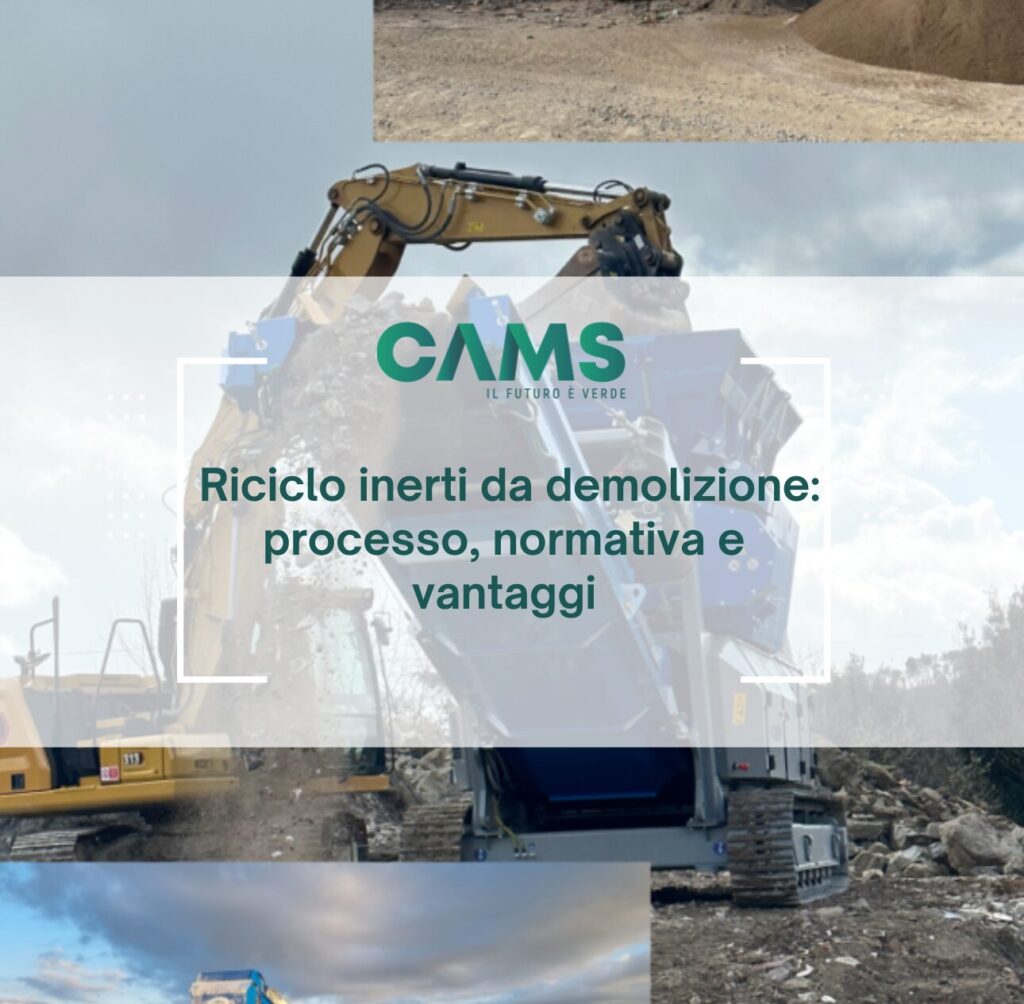
An inert crusher is a machine designed to reduce the size of materials resulting from demolition or excavation activities, such as concrete, bricks, asphalt, and rock.
Its use enables:
- Material recovery and recycling
- Reduction of disposal costs
- Production of reusable aggregates
- Optimization of on-site logistics
Types of Inert Crushers (Mobile, Fixed, Compact)
Crushers are mainly divided into three categories:
- Mobile Crushers
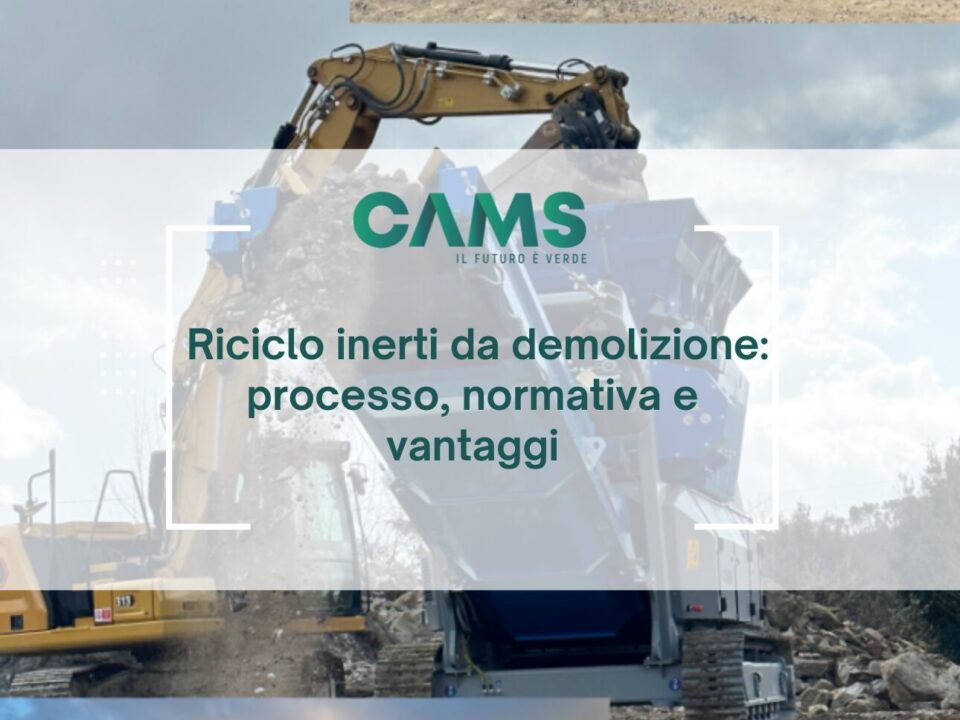
Ideal for dynamic job sites and distributed projects. They allow on-site processing, reducing transport costs and downtime.
- Fixed Crushers
Used in industrial plants or material treatment centers. They offer high production capacity and operational continuity.
- Compact Crushers
Hybrid solutions designed for small job sites or limited spaces, combining operational efficiency with reduced footprint.
How to Choose the Right Crusher: Key Factors
The selection of an inert crusher should be based on technical and operational criteria:
- Type of material to be processed
- Daily production volume
- Required mobility on-site
- Operating and maintenance costs
- Available space
An incorrect assessment can compromise the profitability of the entire project.
Inert Crushers by Material Type
- Concrete
Requires robust crushers with high wear resistance and the ability to process reinforced materials.
- Asphalt
Requires systems capable of controlled crushing to ensure reuse in road paving applications.
- Rock
Requires high-power equipment with strong mechanical resistance for primary and secondary crushing processes.
Used vs New Inert Crushers: Pros and Cons
New
- Greater reliability
- Manufacturer warranty
- Updated technologies
Used
- Lower initial investment
- Immediate availability
- Potentially higher maintenance costs
The right choice depends on budget and the level of operational continuity required.
Crusher Rental: When It Really Makes Sense
Renting inert crushers is a strategic solution for temporary construction sites or short-term projects.
It is advantageous when:
- The project has a limited duration
- Initial investment needs to be minimized
- Operational flexibility is required
How Much Does an Inert Crusher Cost?
The cost varies depending on:
- Type (mobile, fixed, compact)
- Production capacity
- Technological level
- Accessories and configurations
In general, investment costs can vary significantly, from entry-level solutions to advanced industrial plants.
Regulations for Inert Material Processing
The processing of inert materials is regulated by environmental and safety standards governing:
- Construction and demolition waste management
- Material recovery and recycling
- Emissions and environmental impact
Compliance with regulations is essential for legal and sustainable operations.
Mistakes to Avoid When Choosing
- Underestimating the type of material to be processed
- Choosing based solely on initial price
- Ignoring maintenance costs
- Failing to assess required mobility
- Overlooking actual production capacity
CAMS Recycling develops advanced solutions for inert material treatment and crushing, designed to ensure high performance, reliability, and operational continuity.
The company’s engineering-driven approach delivers optimized systems for various industrial applications, with a strong focus on energy efficiency and reduced operating costs.
Need Help Choosing the Right Crusher for Your Project?
Request specialized technical consulting
Discover CAMS solutions for inert material treatment
Optimize the costs of your crushing plant
What is the best crusher for concrete?
It depends on the presence of reinforcement and the volume of material to be processed.
Is it better to buy or rent a crusher?
Rental is more suitable for temporary projects, while purchasing is preferable for continuous use.
What materials can be crushed?
Concrete, asphalt, rock, and demolition waste materials.
How long does an inert crusher last?
Its lifespan depends on maintenance, usage conditions, and build quality.
Choosing the right inert crusher requires in-depth technical analysis and a strategic assessment of operational needs.
Relying on professional solutions helps increase efficiency, reduce costs, and improve the sustainability of the material recycling process.
Cams “IL FUTURO È VERDE”